10/11/2026
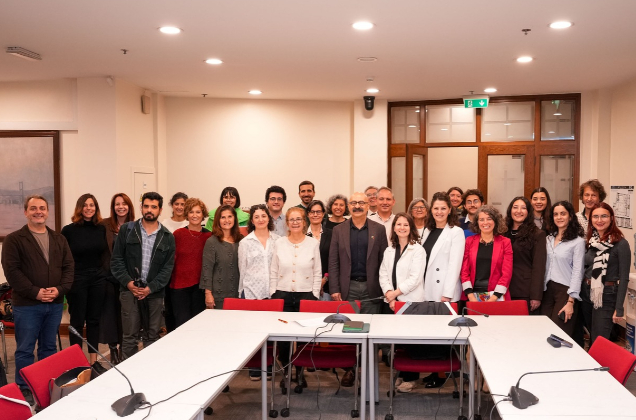
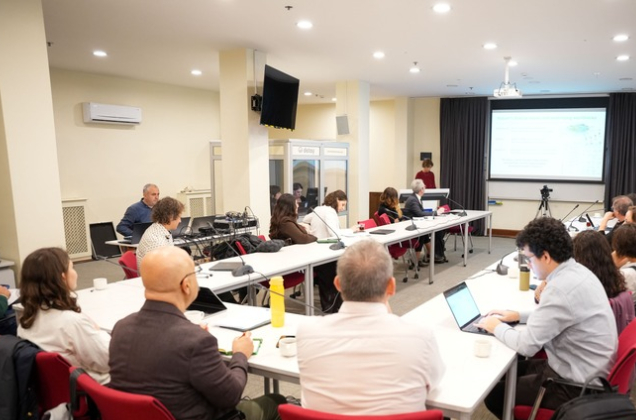
A workshop titled “Biodiversity: Values, Well-being, and Policy – Justice and Resilience in Socio-Ecological Systems,” organized in collaboration with Sabancı Business School, the Sabancı University Istanbul Policy Center (IPC), and the Heinrich Böll Foundation Istanbul, brought together academics, representatives from public institutions, and members of civil society. The well-attended workshop explored the environmental, economic, and social dimensions of biodiversity through the contributions of experts from various disciplines.
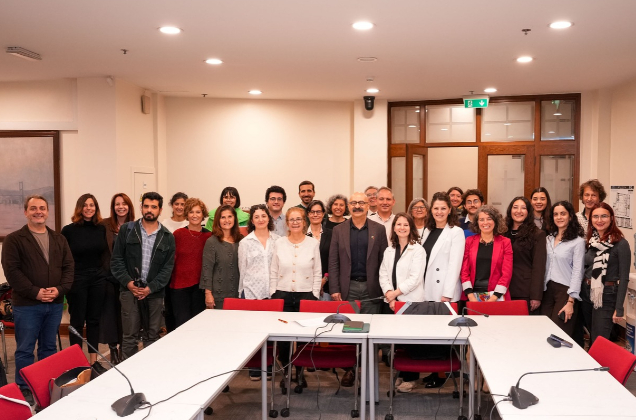
Held on Tuesday, November 3, 2026, at the Sabancı University Istanbul Policy Center (IPC) in Karaköy, the workshop went beyond the scope of mere biodiversity conservation to examine its connections to food systems, climate change, social justice, and sustainable development. Throughout the day’s sessions, participants evaluated the role of both scientific research and local knowledge and experience in shaping biodiversity policies.
Focus on the Social Dimensions of Biodiversity
Opening remarks were delivered by Dr. Ayşegül Sırakaya, a researcher specializing in access to genetic resources and benefit-sharing, and a visiting researcher at Sabancı Business School, along with Cem Bico, Program Coordinator at the Heinrich Böll Foundation Istanbul Office, and Prof. Dr. Zafer Yenal, a faculty member at Sabancı Business School and Coordinator of Sustainability and Food Security Studies at the Istanbul Policy Center.
Speaking at the opening, Dr. Ayşegül Sırakaya emphasized that biodiversity is not limited merely to the conservation of living species, but rather concerns the entirety of human life and social relations. Pointing out that the concept of biodiversity is not sufficiently understood by the general public, Sırakaya stated, "Biodiversity refers to the variety of living things, the variety of nature itself. We are a part of nature; we are not separate from it. Our own diversity encompasses the diversity of our cultures and our knowledge."
Cem Bico, Program Coordinator at the Heinrich Böll Stiftung Istanbul Office, highlighted the importance of addressing the issue of biodiversity through the collective contributions of various disciplines. Noting that the workshop brought together scientists, public institutions, civil society representatives, and field practitioners, Bico remarked that this diversity offers a significant opportunity for developing new collaborations.
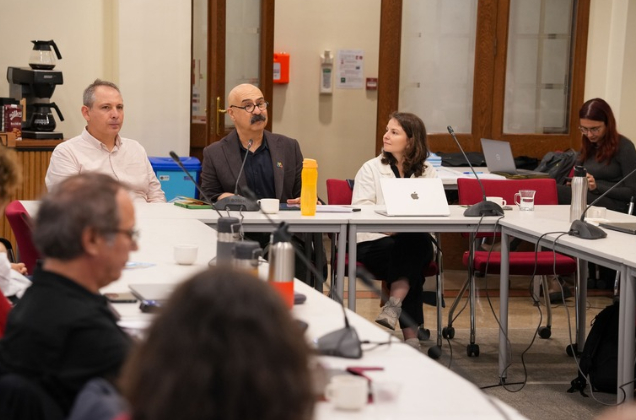
Prof. Dr. Zafer Yenal stated that the workshop aims to establish a lasting dialogue across different disciplines and institutions, adding, "One of our primary objectives today is to create a network that can continue to think and work on biodiversity together, well beyond the scope of this workshop. Biodiversity connects areas that we often treat as separate, such as food, agriculture, education, livelihoods, technology, climate change, and justice."
Furthermore, Prof. Dr. Zafer Yenal underscored the importance of ensuring that discussions on biodiversity contribute to public policy in Türkiye, emphasizing that the process of developing a national biodiversity strategy and action plan should incorporate knowledge and experience from a wide range of specialized fields.
Biodiversity Discussed by Experts from Various Disciplines
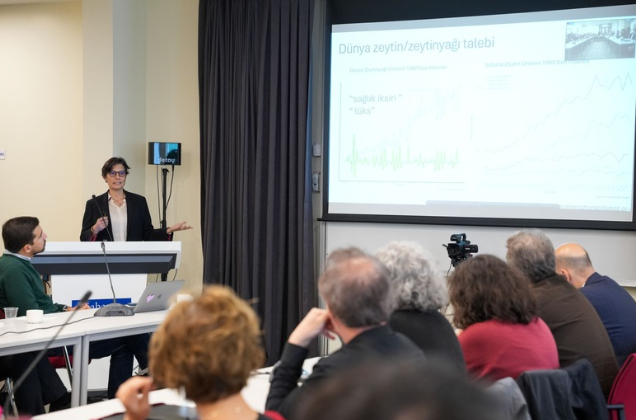
Following the opening remarks, Prof. Dr. Martin Dallimer from Imperial College London delivered a keynote speech titled "Biodiversity, Human Well-being, and the Multiple Values of Nature." Dallimer explored the diverse values that humans attribute to nature, the impacts of biodiversity on human well-being, and the significance of ecosystem services.
The first session of the workshop, moderated by Stuart Lucas, a principal investigator at the Sabancı University Nanotechnology Research and Application Center (SUNUM), was titled "Understanding Biodiversity: Science, Values, Awareness, and Policy." This session examined the plural values of nature, environmental justice, plant awareness, and the political dimensions of biodiversity.
The second session, moderated by Assoc. Prof. Dr. Ogün Adebali from the Sabancı University Faculty of Engineering and Natural Sciences, focused on the relationship between biodiversity, agricultural production, and livelihoods. Through concrete examples, such as olive diversity in Türkiye, local rye varieties, and the conservation of wildlife in agricultural landscapes, the discussion highlighted the importance of ecological diversity for sustainable food systems.
Biodiversity Policies and Local Experiences Examined
In the afternoon session of the workshop, topics such as biodiversity governance, access to genetic resources and benefit-sharing, and both national and international policies were addressed.
In the third session, moderated by Prof. Dr. Sevil Acar from Boğaziçi University, discussions focused on digital sequence information, the conservation of marine biodiversity, and biodiversity finance in Türkiye.
The fourth session, titled “Perspectives from the Public Sector and Civil Society”, moderated by Dr. Nihal Öztolan Erol, a principal investigator at SUNUM, addressed national policies regarding genetic resources, the preservation of heirloom seeds, local agricultural practices, and experiences with biodiversity in Albania.
The workshop, which benefited from the contributions of academics from various disciplines as well as representatives from the public sector and civil society, concluded with a final discussion titled “Beyond Conservation: Why Is Biodiversity Important for Society?” moderated by Prof. Dr. Zafer Yenal. Building on the topics explored throughout the day, participants examined the relationship between biodiversity and climate resilience, food security, social justice, and sustainable development, while also identifying potential avenues for future research and collaboration.