19/10/2026
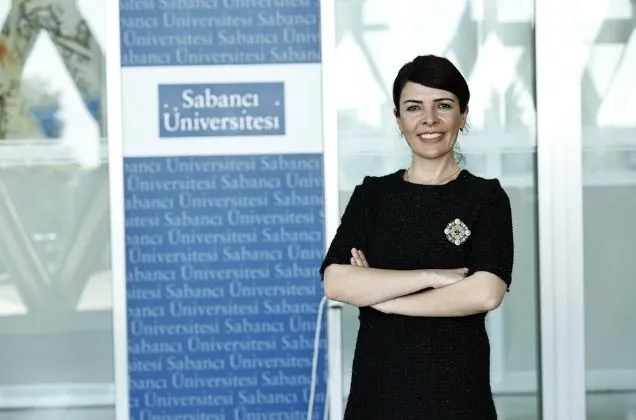
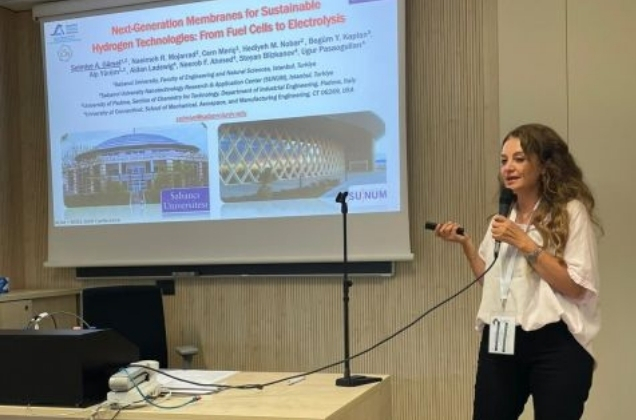
Prof. Dr. Selmiye Alkan Gürsel has been a faculty member in the Materials Science and Nano Engineering Program at Sabancı University since 2008. She also serves as a part-time researcher at the Sabancı University Nanotechnology Research and Application Center (SUNUM). Her research group specializes in the development of next-generation membranes, catalysts, active materials, and electrodes for electrolyzers, which produce green hydrogen, as well as for fuel cells and batteries that generate electricity directly from hydrogen. Furthermore, she coordinates the minor program in Battery Science and Engineering, which launched in the 2024–2025 academic year as the first of its kind in Türkiye.
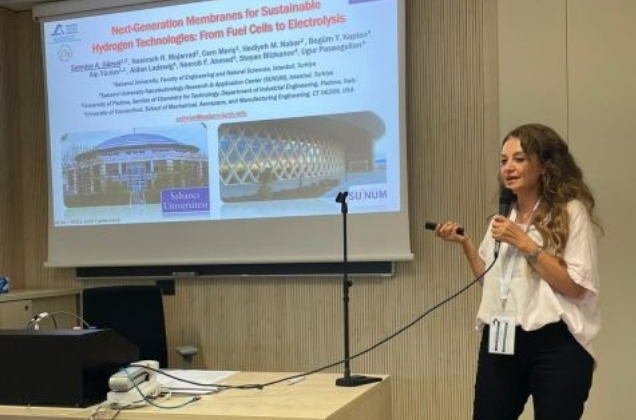
We spoke with Dr. Gürsel about her work in electrochemical energy conversion and storage technologies. What emerged was the profile of a tireless scientist, someone who consistently generates new projects and places a high priority on mentoring students. There is much we can learn from Dr. Gürsel, who takes the definition of hard work to a whole new level.
Reyhan Oksay: Could you briefly describe your work at Sabancı University regarding critical topics such as hydrogen production, conversion, its integration into industry, and its future applications?
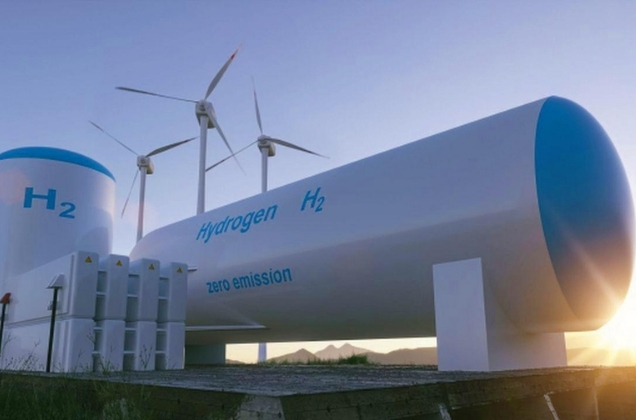
Selmiye Alkan Gürsel-Hydrogen, and specifically "green hydrogen", serves as a vital energy carrier, fuel, and raw material. It has the potential to facilitate the use of renewable energy in industrial sectors and support the decarbonization of production processes that currently rely on fossil-based resources. At Sabancı University and SUNUM, we approach our research with a focus on "green hydrogen", covering the entire spectrum from production to end-use, and concentrate on developing the technologies required for this transition. Our group’s core expertise lies in the development of next-generation membranes, catalysts, and electrodes for electrolyzers, which produce green hydrogen, and fuel cells, which generate electricity directly from hydrogen. The properties of these components directly influence the performance, operational lifespan, and costs of both electrolyzer and fuel cell systems. Consequently, our research aims to simultaneously enhance performance, maintain durability, and reduce costs.
Within our research group and through our various collaborations, we work extensively on proton-exchange membrane and anion-exchange membrane electrolyzers and fuel cells. To develop next-generation membranes, we employ techniques such as radiation-induced grafting and electrospinning, which allow for the integrated design of material chemistry and structure.
In our work on catalysts and electrodes, we focus on the more efficient use of precious metals, such as platinum and iridium. Through these efforts, we aim to address key barriers to the widespread adoption of hydrogen technologies, specifically by reducing the reliance on critical materials and lowering overall costs.
With our long-standing expertise in hydrogen technologies, the advanced materials and components we have developed, and our experience in international projects, our research group stands among the leading teams in this field in Türkiye. We carry out our work through collaborations and projects supported by various national and international funding sources. In addition to our academic and industrial partners in Türkiye, we collaborate with universities, research centers, and industrial organizations across Europe, Asia, and the United States. These partnerships bring together complementary expertise, ranging from material development and advanced characterization to modeling and device testing.
How has your research journey in the field of hydrogen and electrochemical energy conversion and storage technologies evolved? What are the key contributions stemming from your national and international projects, scientific publications, and patents? How do your roles at conferences, your service on scientific and advisory boards, and the awards you have received complement this body of work?
During my doctoral studies, I focused on conductive polymers and electrochromic polymers. My research journey in hydrogen and energy technologies took shape during my postdoctoral work, which began in 2003 at the Paul Scherrer Institut (PSI) in Switzerland. There, I worked on polymer electrolyte membranes, a critical factor in the efficiency and durability of fuel cells. Projects I led, such as the development of next-generation radiation-grafted membranes in collaboration with DuPont, and the scaling up of their production with Michelin, laid a vital foundation for integrating scientific research with industrial requirements. Designing the micro- and nano-scale structure of these membranes and analyzing them through advanced methods were also key research themes during this period. After joining Sabancı University in 2008, I expanded this expertise, together with my students, our research group, and various collaborators, into different components of hydrogen technologies and battery systems, further developing this work through numerous national and international projects. In our TÜBİTAK-supported research, we focused on low-cost, durable membranes, graphene-based catalysts and electrodes, and fuel cell components designed to reduce the reliance on precious metals. In the field of energy storage, we focused on high-capacity lithium-ion battery electrodes, as well as lithium-air and lithium-sulfur batteries. In these projects, I took on various roles, including those of principal investigator, coordinator, researcher, and consultant.
Among our European-funded initiatives, the Graphene Flagship and GrapheneCore1 projects, supported under the 7th Framework Programme and Horizon 2020, hold a significant place. Serving as the project coordinator for Türkiye and the national contact point for five years, we investigated the use of graphene in fuel cells and demonstrated how material design contributes to device performance. Under the M-ERA.NET program, we worked on the development of battery-supercapacitor hybrid devices with international partners, and we are currently engaged in another M-ERA.NET project focused on developing asymmetric anion-exchange membranes for fuel cells. Furthermore, as part of a joint Southeast Asia–Europe (SEA–Europe program) project, we conducted research on MXene-based structures for long-life lithium-sulfur batteries. Large-scale initiatives, such as HYSouthMarmara, Türkiye’s first "hydrogen valley" project, in which I serve as the principal investigator representing Sabancı University, and supported by Horizon Europe and the Clean Hydrogen Partnership, are of great importance; they facilitate the transition of laboratory-scale research on green hydrogen production and industrial application into real-world use, while fostering the establishment of an exemplary hydrogen ecosystem in our country.
Additionally, three patents for which I am a co-inventor in the field of hydrogen technologies represent another facet of our innovative work aimed at membrane development and the enhancement of fuel cell performance.
What is the current level of maturity for electrolyzer and fuel cell technologies? What are the primary technical and economic barriers to their more widespread adoption? How do you assess Türkiye’s progress in this field, as well as the contributions of your own research group?
In the realm of electrolyzers and fuel cells, we are currently in a phase where research and industrial application are advancing in tandem. While electrolyzers use electricity to produce hydrogen from water, fuel cells convert the chemical energy of hydrogen directly back into electricity. Together, these two technologies form the core components of a chain that enables renewable energy to be stored as hydrogen and utilized wherever it is needed. For any given application, however, it is essential to evaluate both the efficiency and the economic viability of this conversion chain.
The fundamental challenge today lies in maintaining high performance at a low cost over an extended period. While a material’s success in a laboratory setting is a significant starting point, industrial application requires that it be produced consistently, withstand variable operating conditions, and remain compatible with other system components. Consequently, understanding how performance evolves over time, and identifying the mechanisms behind any degradation, are just as critical as assessing initial performance.
In electrolyzers, factors such as energy consumption, membrane resistance, catalyst activity, and gas transport are all interconnected. In PEM electrolyzers, in particular, the goal is to reduce the reliance on precious metals like iridium while preserving both performance and durability. International technical targets are focused on achieving these objectives simultaneously within a single device. Furthermore, the cost of green hydrogen is not determined solely by the electrolyzer; the cost of the electricity used and the total operational lifespan of the system also play a decisive role in its economic feasibility.
In the field of fuel cells, our work focuses on catalyst design, specifically reducing the use of platinum, as well as membrane design, the investigation of chemical and mechanical durability, and the assessment of electrochemical performance. For instance, when reducing the amount of catalyst, the electrode structure must be adjusted accordingly. Therefore, rather than developing the membrane, catalyst, and electrode in isolation, it is essential to evaluate how they function together.
I believe that Türkiye possesses a significant body of research expertise. To transform this expertise into a capacity for developing domestic materials, components, and systems, it is necessary to strengthen university-industry collaborations, shared testing infrastructure, and pilot-scale projects. In particular, providing support for the transition from the laboratory to production is a decisive factor in ensuring that research outcomes generate economic value.
What are the objectives of HYSouthMarmara, Türkiye’s first hydrogen valley project? How does Sabancı University contribute to the project, and what role does university-industry collaboration play in this process? How might the experience gained in the South Marmara region serve as a guide for the development of hydrogen valleys in other parts of Türkiye?
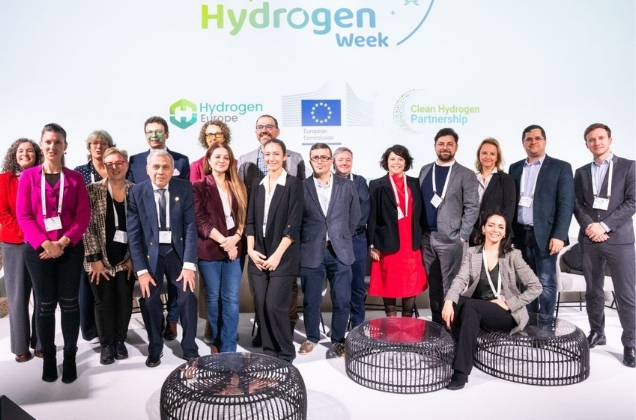
As Türkiye’s first and only hydrogen valley project, HYSouthMarmara has secured significant funding under the European Union’s Horizon Europe program and the Clean Hydrogen Partnership. Coordinated by the South Marmara Development Agency, the project addresses green hydrogen production in conjunction with the specific needs of the industrial sector. The goal is to utilize hydrogen in ceramic and glass manufacturing, the chemical industry, and power generation, thereby creating a regional hydrogen ecosystem that supports the decarbonization efforts of various sectors. A key aspect of the "hydrogen valley" approach is that it connects the production, distribution, and end-use stages of hydrogen within a defined geographical area. For green hydrogen to become widespread, it requires not only production capacity but also consistent demand, appropriate infrastructure, and economically sustainable business models. By integrating these elements into a unified project, HYSouthMarmara aims to provide a model that can serve as a foundation for future hydrogen initiatives across Türkiye.
Sabancı University has been a core partner in the project since its initial conceptualization. Leveraging the knowledge and experience gained through our long-standing research on hydrogen technologies, we contribute to shaping the project’s scientific and technical approach. We also contribute our expertise to the processes involved in the installation and commissioning of electrolyzers for green hydrogen production. Furthermore, our university leads the project’s dissemination and communication efforts. We coordinate the exchange of knowledge and experience with existing hydrogen valleys, as well as with regions aiming to establish their own. Through workshops, stakeholder meetings, and scientific communication activities, we facilitate the transfer of knowledge generated within the project to the industrial sector, the research community, public institutions, and society at large. Our goal here is to ensure a clear understanding of the potential uses and implementation requirements of hydrogen, while fostering the development of new collaborations.
I view HYSouthMarmara as a pioneering project that will support the growth of a green hydrogen economy in Türkiye, while building a body of knowledge and cooperation that can be transferred to other regions.
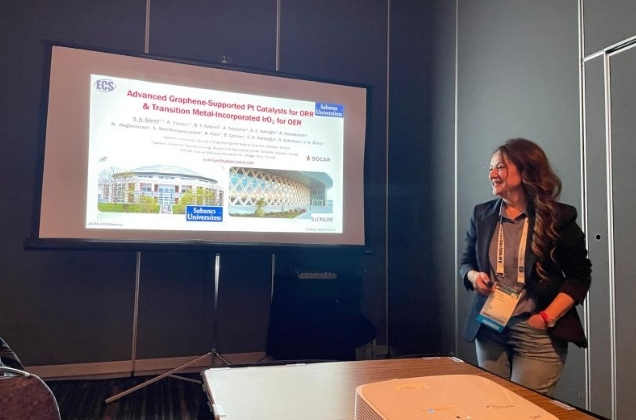
What kind of work are you and your research group at Sabancı University conducting in the field of battery technologies? What materials and next-generation battery approaches does your research group focus on?
Together with our colleagues at Sabancı University and SUNUM, we conduct research that spans the development of battery materials and electrode design to the understanding of processes occurring within the cell. In addition to lithium-ion batteries, we work on next-generation battery chemistries, such as lithium-sulfur and lithium-air. In this research, we examine the chemical structure of the materials, their arrangement within the electrode, and their interactions with other cell components. Regarding lithium-ion batteries, our TÜBİTAK-supported projects have involved long-term studies on anode materials containing titania nanotubes, as well as nickel-cobalt-aluminum oxide (NCA). We create nanofibrous electrode structures using the electrospinning method and investigate how production conditions influence the material's structure and electrochemical behavior. Furthermore, we modify electrode surfaces using ion-conducting polymer coatings and study the reactions that take place at the electrode-electrolyte interface.
Lithium-sulfur batteries have been a major focus for us in recent years. In these systems, we develop materials capable of controlling the movement and reactions of intermediate products, which form during the electrochemical conversion of sulfur, within the cell. Through a project conducted under the Southeast Asia-Europe (SEA) joint funding program, we collaborated with international partners to work on MXene-based structures, sulfur cathodes containing metal oxides, and functional electrospun interlayers.
In the realm of lithium-air batteries, we have focused on graphene-supported metal oxides and three-dimensional porous electrode structures. Within the scope of our project, supported by M-ERA.NET, we have also conducted research on battery-supercapacitor hybrid devices, exploring how different energy storage mechanisms can be integrated into a single architecture.
Our objective is to develop new materials and design approaches that advance battery technology, while simultaneously fostering the training of researchers and engineers in this field. Through our minor program in Battery Science and Engineering, we are also incorporating this accumulated research expertise into our educational offerings.
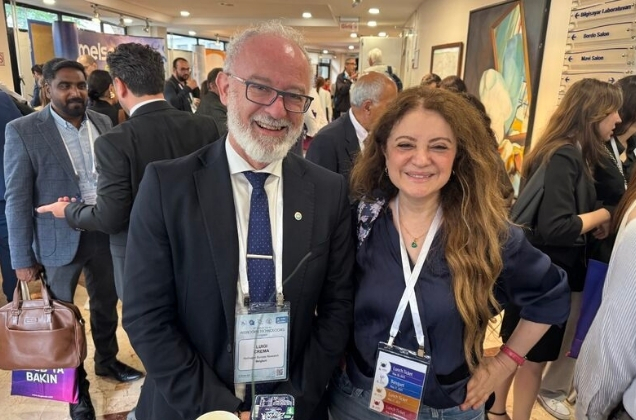
When was the Battery Science and Engineering minor program, launched in collaboration between Sabancı University and Siro, established? What kind of contribution will this program make to university-industry cooperation?
The Battery Science and Engineering minor program, which I coordinate, began in the 2024–2025 academic year, marking the first program of its kind in Türkiye. The foundations for the program were laid with a letter of intent signed between Sabancı University and Siro in 2023; it combines our university’s expertise in research and education within the field of energy storage with Siro’s industrial experience.
Our starting point in developing this program was the increasingly apparent need for a skilled workforce in battery technologies. The widespread adoption of electric mobility and the growing share of renewable energy within electrical systems have made batteries a critical component of the energy transition. These developments demand engineers and researchers capable of integrating knowledge across various domains, from materials science and electrochemistry to manufacturing processes, safety, and system management. The transformation of investments in the battery sector into lasting technological competence is directly linked to the cultivation of this specific expertise. For this reason, we designed the program with an interdisciplinary approach. Our students receive training in complementary subjects such as battery chemistry and components, cell and pack design, manufacturing, modeling, and battery management systems. Our goal is for students not only to understand how a battery functions but also to be able to evaluate the factors that determine its performance, lifespan, and safety. Siro’s contribution ensures that scientific foundations are effectively linked to real-world production conditions and engineering requirements.
One of the valuable aspects of this collaboration is the link it establishes between education and research. Technical challenges encountered in the industry can evolve into new research questions, while the knowledge and methodologies developed within the university can provide solutions to practical, real-world needs. Through this interaction, students gain the ability to translate scientific knowledge into engineering decisions. In this respect, I view the program as a model of university-industry collaboration that directly contributes to human capital and the capacity for technological development.
The program’s primary industry partnership is with Siro. At the same time, we prioritize maintaining a structure that remains open to interactions with various other industrial organizations, allowing us to leverage their diverse expertise and experience. The battery ecosystem encompasses interconnected fields such as materials, cell production, automotive, energy storage, and recycling. It is highly valuable, both for our students' professional development and for the future of the sector, that they become familiar with the distinct requirements of these various areas.
For the battery ecosystem in Türkiye to flourish, it is essential to strengthen research, design, and engineering competencies alongside production capacity. Through this program, we aim to contribute to the development of engineers who not only understand technology but are also capable of advancing it and adapting it to meet emerging needs.
You serve on the Advisory Council of the SHURA Energy Transition Center. How does your expertise in energy conversion and storage technologies inform the work regarding Türkiye’s decarbonization process?
My primary field of study is electrochemical energy conversion and storage technologies. In my research, which covers green hydrogen production via electrolysis, fuel cells, and batteries, I examine the materials these technologies require, how they function, and the factors that limit their performance and lifespan. My contribution to the SHURA Energy Transition Center’s Advisory Council is rooted in this technical knowledge and research experience. When evaluating the energy transition, I believe it is essential to consider not only the potential of these technologies but also their current level of maturity, the areas requiring further development, and the conditions under which they will be deployed.
For decarbonization goals to translate into viable investments, the choice of technology must rest on a solid scientific foundation. There is a significant gap between a solution proving successful in a laboratory setting and its reliable, cost-effective application in an industrial context. Factors such as efficiency, durability, the need for critical raw materials, manufacturability, and compatibility with existing infrastructure ultimately determine the success of this transition. My goal is to bridge the gap between technical expertise in technology development and the realms of energy policy and investment assessment.
Will Sabancı University be presenting a paper on the production, storage, transmission, and utilization of green hydrogen at COP31, which will be held in Antalya from November 9 to 20?
I view the fact that COP31 is being hosted in Türkiye this year as a significant opportunity to share our research expertise and our industry-oriented clean energy initiatives on an international stage. In this context, we plan to present two papers. With the first, we aim to introduce the HYSouthMarmara Hydrogen Valley Project to international stakeholders, positioning it as Türkiy’s first "Hydrogen Valley" and an innovative model for industrial decarbonization developed at a regional scale, in line with the COP31 theme of "Decarbonisation Hubs." This project serves as an excellent example of university-industry collaboration; it encompasses the production of green hydrogen from renewable energy sources, its application within energy-intensive industrial sectors that are otherwise difficult to decarbonize, and the establishment of an integrated hydrogen ecosystem in the South Marmara region. As for the second paper, which aligns directly with the COP31 focus on "Near-Zero Emission Technologies", we intend to present our work on an innovative, next-generation membrane design. This research focuses on reducing ohmic losses in electrolyzers and enhancing energy efficiency, thereby facilitating more efficient and safer production of green hydrogen, a key element in the decarbonization of industry.
Awards you have received
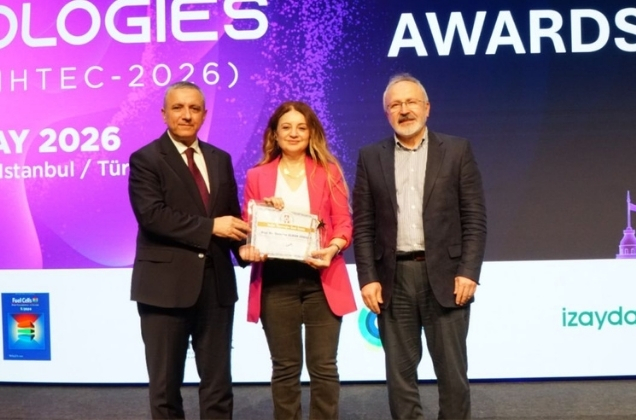
It is also meaningful to me that our work has been recognized with awards over the years. In 2010, I received the TÜBA-supported L'Oréal Türkiye Young Women Scientists Award, and in 2012, I was found deserving of the METU Prof. Dr. Mustafa N. Parlar Education and Research Foundation Research Incentive Award, the BAGEP Award in 2013, and the Women Energizing Türkiye Academy Award given by the Ministry of Energy and Natural Resources in 2018. This year, being honored with the Nejat Veziroğlu Special Award for my work in the field of hydrogen technologies has a special meaning in terms of the research I have been continuing for many years. I see this accumulation as the result of a joint effort made possible by the contributions of my students, our research team and our collaboration partners. The most valuable reward for me is that the knowledge we develop is used in practice and the researchers we train move this field forward with their own work.
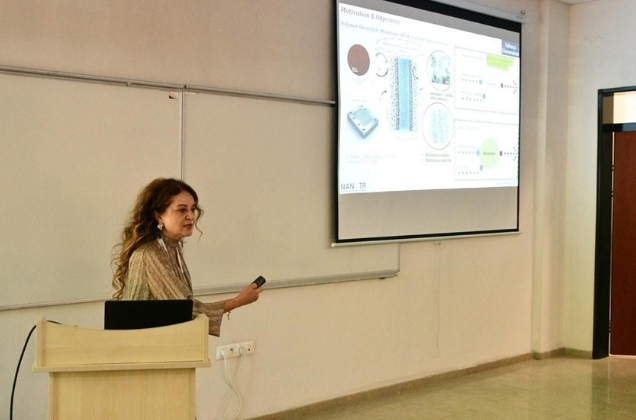
Who is Selmiye Alkan Gürsel?
Prof. Dr. Selmiye Alkan Gürsel received her bachelor's, master's and doctorate degrees from the Department of Chemistry at Middle East Technical University. As part of her doctoral studies, she conducted research on electrochromic polymers at the University of Florida, and then conducted postdoctoral research on hydrogen and fuel cells at the Paul Scherrer Institute (PSI) General Energy Department in Switzerland between 2003 and 2007. Dr. Gürsel has been working as a faculty member at Sabancı University Materials Science and Nano Engineering Program since 2008, and is also a part-time researcher at Sabancı University Nanotechnology Research and Application Center (SUNUM). Additionally, she served as Vice Dean for Research at Sabancı University Faculty of Engineering and Natural Sciences between 2020 and 2024.