09/11/2026
Mert Özçelik
Sabancı University Foundations Development Program – PROJ 201 Supervisor
PROJ 201 was my favourite course during my undergraduate studies.
I earned my undergraduate degree from Sabancı University. During my time as a student, my favourite course was PROJ 201 (Undergraduate Project Course). When I graduated, one of my biggest dreams was to become a supervisor for this course. That dream came true four years ago. Since then, I have taught PROJ 201 eight times.
I believe PROJ 201 is at the heart of Sabancı University’s liberal arts and core curriculum philosophy.
I believe PROJ 201 is at the heart of Sabancı University’s liberal arts and core curriculum philosophy. Our equivalency studies have also shown that it is difficult to find an equivalent of this course at other universities. Let me try to describe what makes PROJ 201 unique through three defining features:
- The course offers projects on a broad range of subjects, allowing students to join a project based on their interests. Moreover, the project topic does not have to be related to the student's major. For instance, I was studying Industrial Engineering, but my project focused on bacteria, a popular research topic at the time.
- Throughout the semester, students learn how to conduct scientific research. They develop the skills to ask the right questions, use reliable sources, and present their findings in clear language. I believe that developing these skills is key to thriving in the age of artificial intelligence.
- There are no exams in this course! PROJ 201 assesses not only your theoretical knowledge but also your ability to put theory into practice. Your most important responsibility is to produce a tangible outcome related to your project. This course gives you the opportunity to find solutions to complex global challenges and make your voice heard around the world.
My journey began with electric vehicles.
My journey as a PROJ 201 supervisor began with electric vehicles. The first project I supervised explored the advantages and disadvantages of electric vehicles and their potential for widespread adoption. As climate change became increasingly severe, I expanded the scope of my project to include clean energy technologies. I then supervised a project investigating how electric vehicles and clean energy technologies can contribute to shaping a sustainable future.
We are contributing to Sabancı University’s sustainability journey.
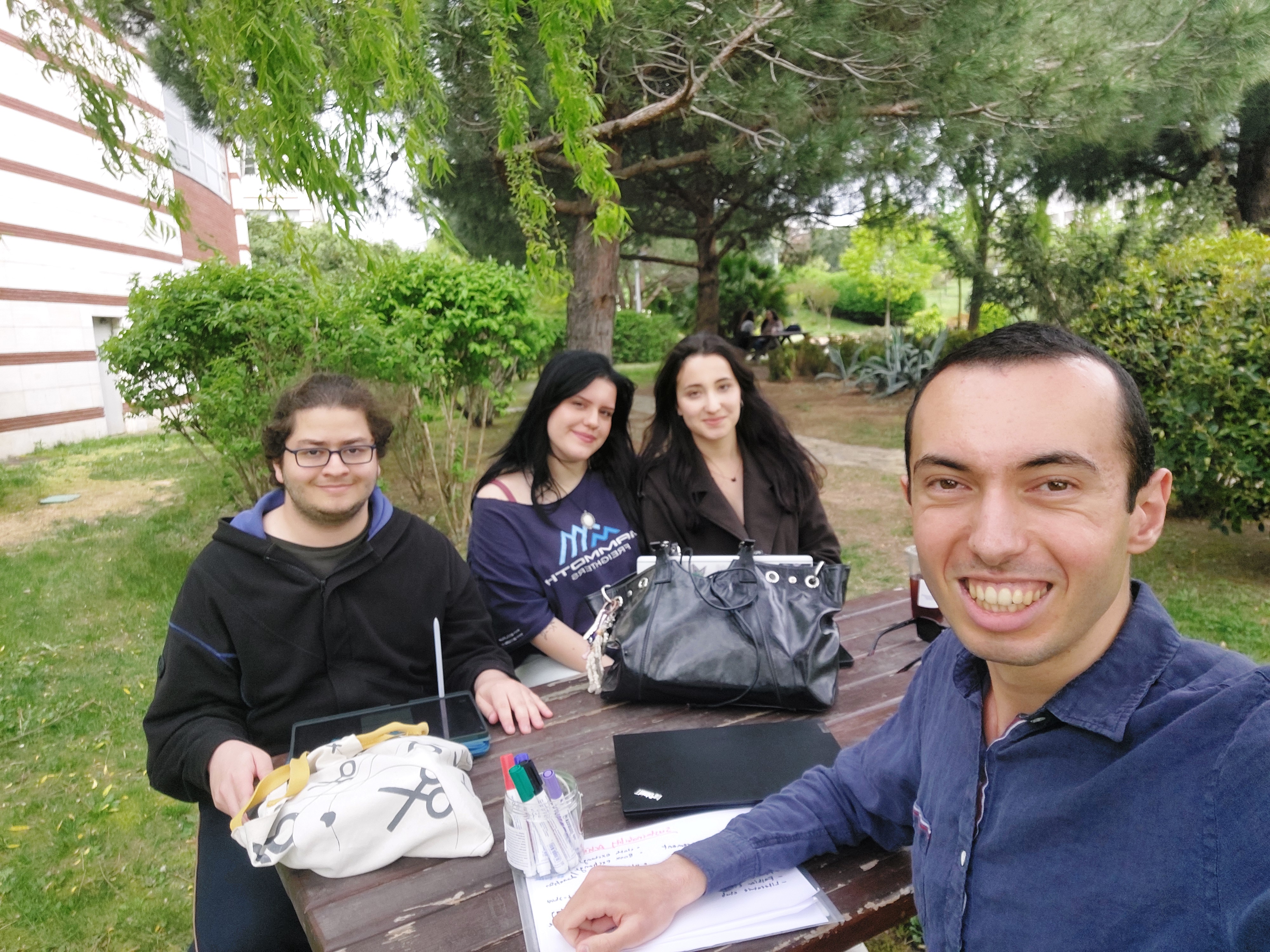
In recent semesters, I have been supervising a project titled “Towards a Sustainable Future: Designing a Green University Campus.” In a world where climate change has escalated into a climate crisis, my students and I are taking concrete steps towards a more sustainable future. We explore how the theoretical knowledge we gain about topics such as renewable energy systems, electric mobility, water, and plastics can be translated into practical solutions for designing a sustainable university campus. The tangible outcome of our project is a sustainability action that we carry out to make Sabancı University campus more sustainable.
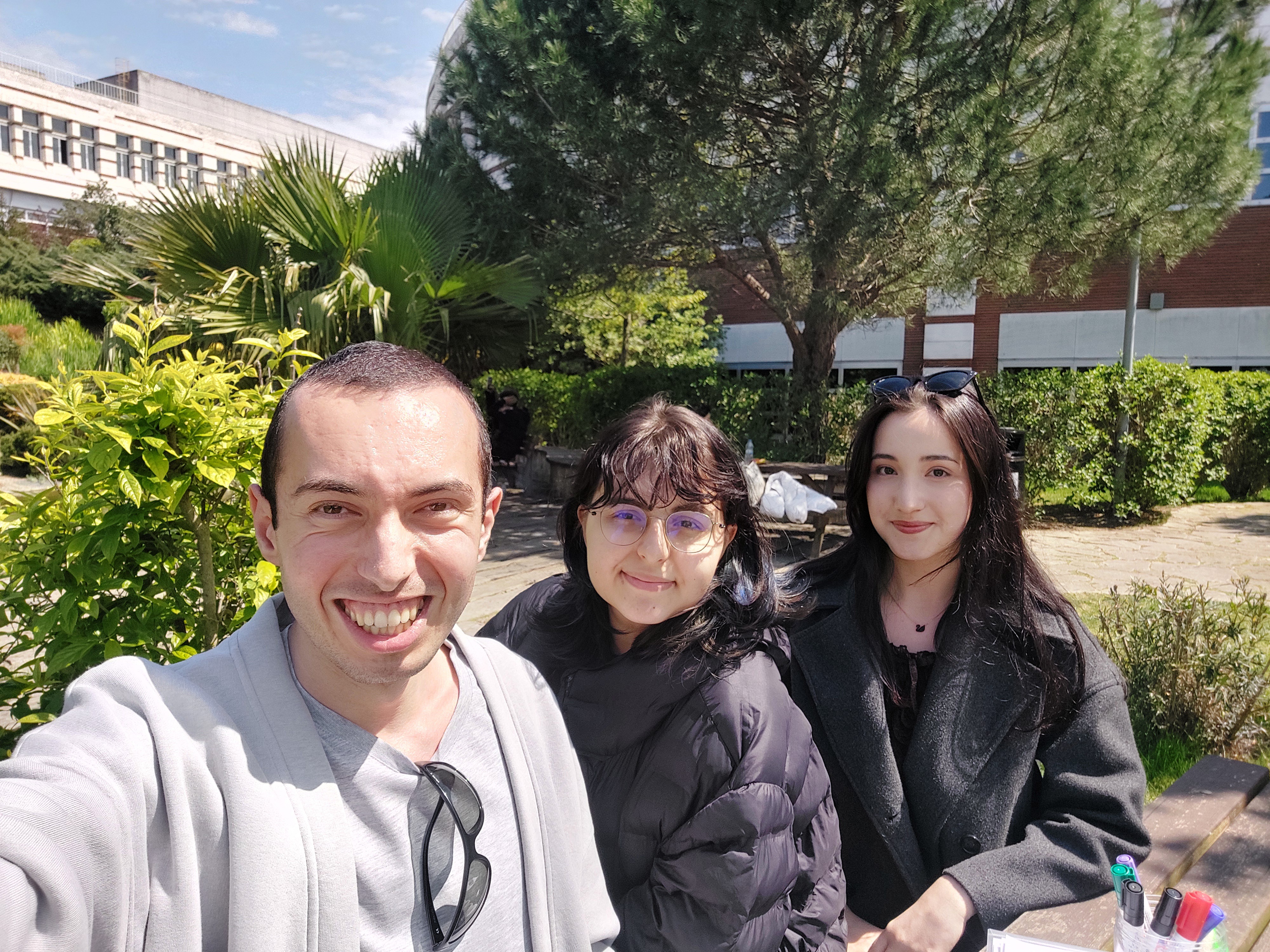
Did you know that producing a t-shirt and a pair of jeans consumes 10 tonnes of water?
No, you didn't read that wrong. Producing just one t-shirt and one pair of jeans requires 10 TONNES of water!
Fast fashion is the second largest water-consuming industry globally. And that's not all: 80% of textile products end up in landfills after being worn at most once.
On one hand, staggering amount of water is consumed; on the other hand, staggering amount of waste is generated...
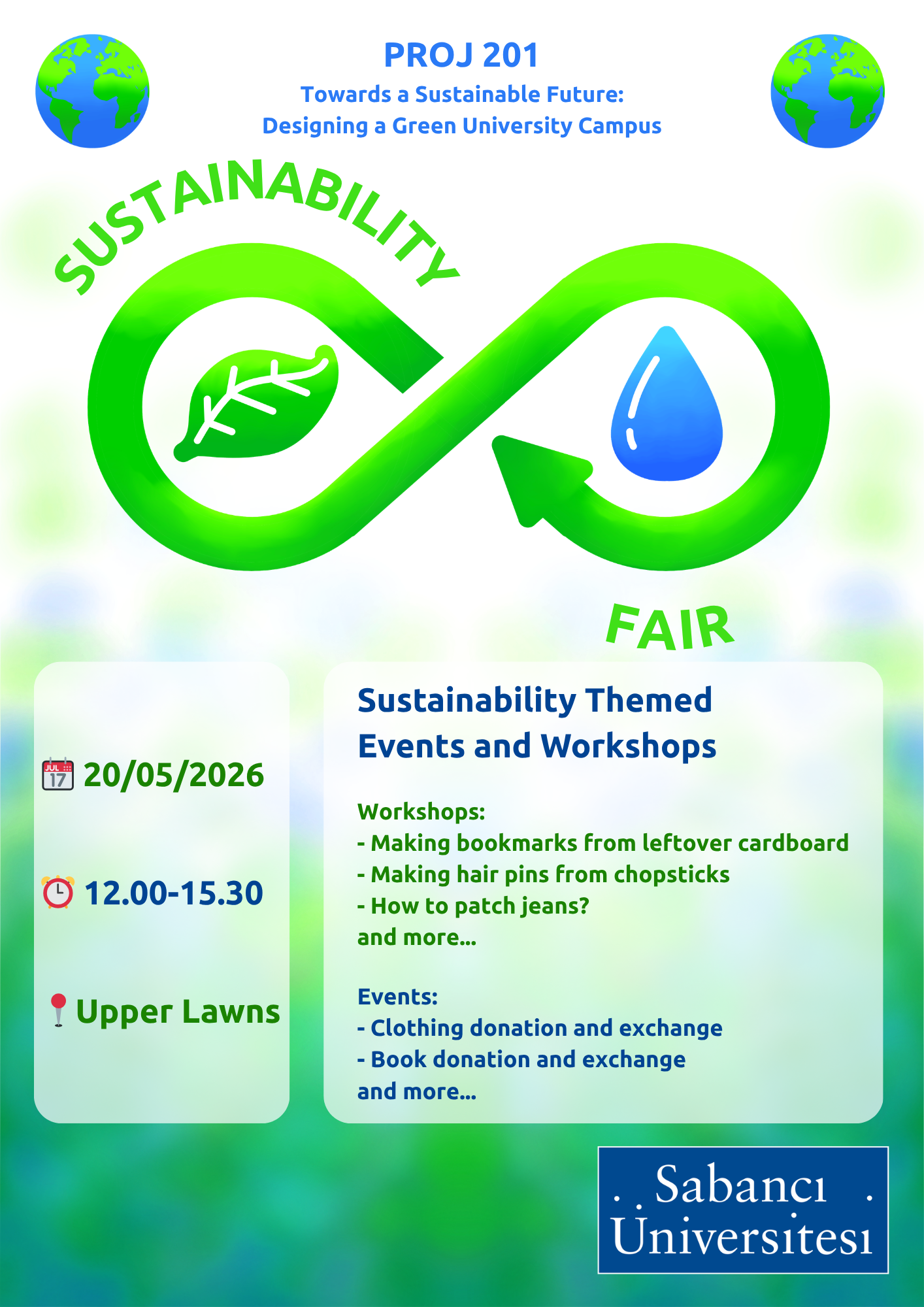
We launched Sabancı University’s first-ever sustainability fair.
With the aim of raising awareness about the climate crisis, whose impacts we feel increasingly in our daily lives; encouraging people to take concrete steps towards a sustainable future; and demonstrating that transition begins with SMALL steps, we launched Sabancı University’s first-ever sustainability fair.
Held on May 20, 2026, the fair featured a variety of activities and workshops, including clothing donation/exchange, book donation/exchange, making bookmarks from leftover cardboard, and crafting hair clips from wooden sticks.
We also shared thought-provoking statistics with participants to raise awareness about the climate crisis. Through hands-on activities, workshops, and interactive sessions, we demonstrated how easy it can actually be to take action towards designing a sustainable future.
The climate crisis is intensifying with each passing day. The good news is that we have the power to change this course. By realizing, caring, and taking action…