20/04/2026
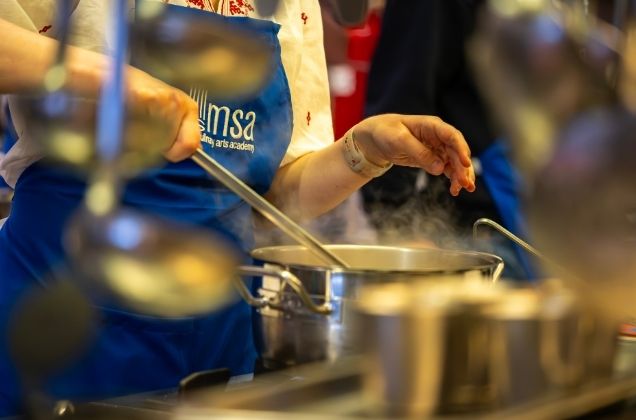
Sabancı University students, as part of the IF 201 “Science, Engineering and Politics of Food” course coordinated by Prof. Dr. Zafer Yenal, embarked on a culinary journey through history. In a hands-on event held at the Culinary Arts Academy in Maslak, students, guided by chefs, prepared selected dishes from pre-Columbian Ottoman, European, and Asian cuisines, experiencing and learning about the gastronomic culture of the 15th-century world.
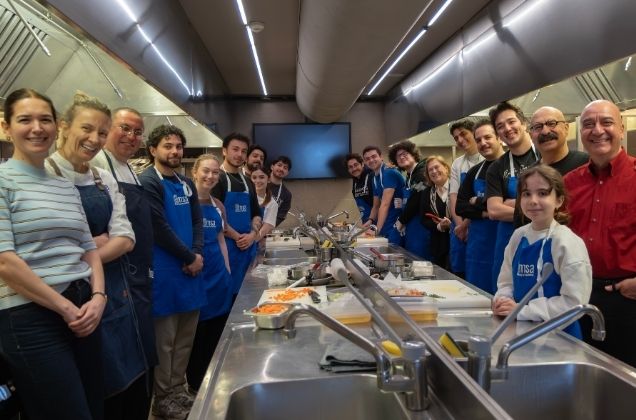
Güler Sabancı, Chair of the Sabancı Foundation Board of Trustees, also attended the event at the Culinary Arts Academy. Sabancı spent time in the kitchen with the students and chefs, participating in the food preparation process and engaging in conversation with them.
Throughout the event, Prof. Dr. Zafer Gedik, a faculty member from the Faculty of Engineering and Natural Sciences and a member of the IF 201 course's academic staff, also met with students and shared his thoughts on food culture. The event, in which three separate student groups prepared recipes from Ottoman, European, and Asian cuisines, concluded with a tasting of the prepared dishes.
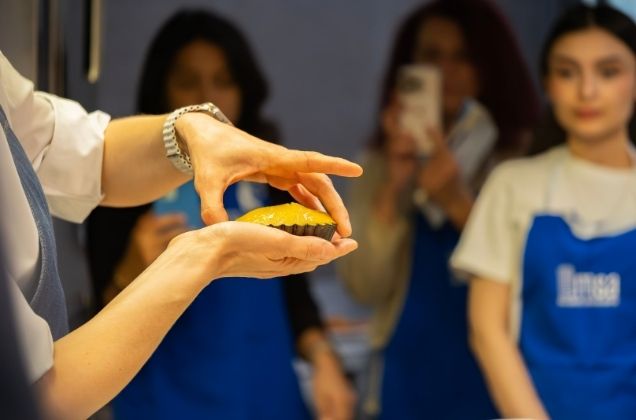
Theory and Practice Combined
Instructor Chef Güner Durmaz stated that the starting point of the study was to make the course content experiential in the kitchen, emphasizing that supporting theoretical knowledge with practice strengthens the learning process. Durmaz stated that understanding past culinary cultures is critical for interpreting today's gastronomic world.
Durmaz noted that the students showed great interest in the event and that the process was quite interactive, adding that the participants not only cooked but also contributed to the instructors with their questions.
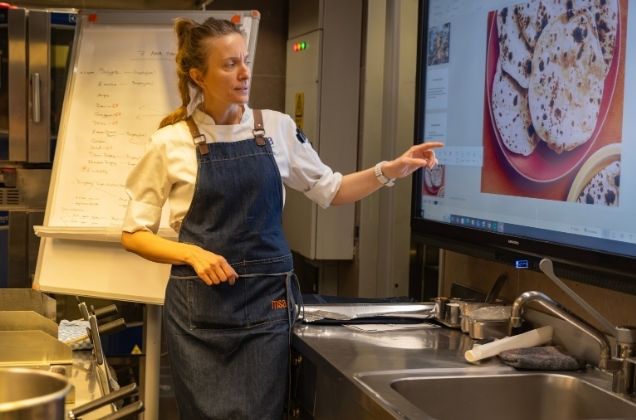
From Fermentation to Cultural Memory
Instructor Chef Alp Şehsuvar stated that they focused particularly on the role of fermentation in the kitchen during the event. Şehsuvar explained that they conveyed the historical development of products such as vinegar and kombucha, showing students how they could apply these techniques in their daily lives. Şehsuvar pointed out that fermentation is a process requiring patience and time management, emphasizing that these fundamental principles are crucial both in the kitchen and, more broadly, in production processes.
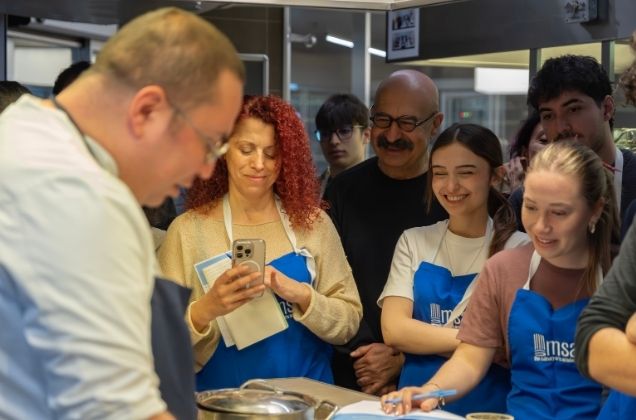
Where Academia Meets Practice
Çağla Aydın, MSA Project Manager, who participated in the event, said the following regarding the importance of the collaboration:
“This semester, we hosted students from Sabancı University at the school as part of their “Science, Engineering and Politics of Food” course. Because at MSA, we see gastronomy not only as a culinary practice, but also as a multi-layered field intertwined with science, culture, and society. One of the most critical points for us is this: Academic and theoretical knowledge must truly come to life through practice. The collaboration we are undertaking here today makes exactly that possible. When Sabancı University's strong academic infrastructure and MSA's practice-based education approach combine, the result is not only knowledge, but also experience, insight, and real production. We believe that the kitchen is not just a field to be learned, but also a field to be understood through experience. This collaboration is very valuable to us. Because at MSA, beyond training good chefs, we value training individuals who think, question, and create impact. This work we are doing with Sabancı University is a reflection of this vision.”
Beyond the University: An Expanding Model with K-12
During the event, Prof. Dr. Zafer Yenal drew attention to the foundational role of the discovery of America in the formation of modern food systems through the menus prepared by the students. Yenal emphasized that products such as tomatoes, potatoes, and corn, which have become indispensable in European and Ottoman cuisines today, are actually the result of global circulation after the 16th century. Similarly, he stated that products like coffee and sugar created new consumption cultures by moving between different geographies. Yenal also noted that the course was developed as a model adaptable not only to the university level but also to different age groups, and that content development and project work, carried out in collaboration with teachers and experts from the Sistem Düşüncesi Derneği, Darüşşafaka, and TEVİTÖL, and progressing through weekly meetings, are an important part of this effort.