08/01/2026
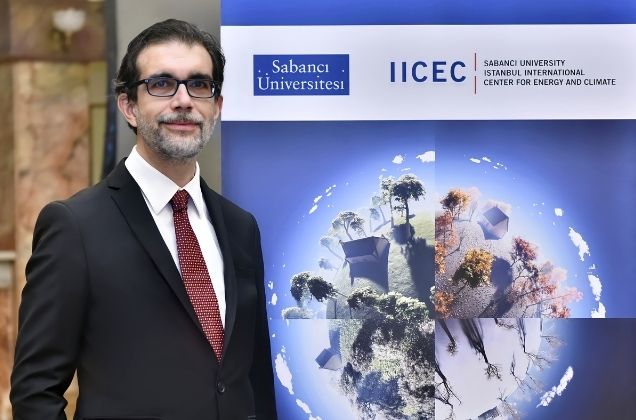
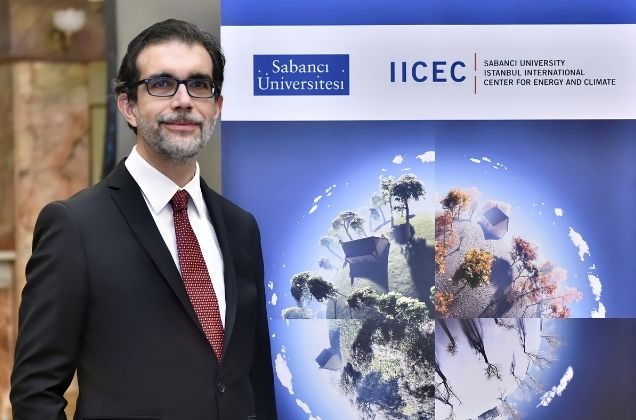
Bora Şekip Güray, Director of the Sabancı University Istanbul International Center for Energy and Climate (IICEC), stated that managing rapidly growing energy demand with more efficient and high value-added solutions presents a critical opportunity for Türkiye in terms of energy security, import reduction, a competitive energy system, and sustainable energy transformation goals.
Making assessments within the scope of Energy Efficiency Week (January 5-11), Güray expressed his satisfaction with the recent increase in awareness regarding energy efficiency. He noted that strategies and investments that can make energy demand more efficient and have higher added value are of great importance in every aspect for achieving a more sustainable energy future.
“A more efficient energy system will play a significant role in strengthening energy supply security and reducing emissions.”
Güray stated that in the “Türkiye Energy Efficiency Outlook” study, published by IICEC in 2025 as a first in the sector, they evaluated the multifaceted gains to be achieved through the development of a more efficient energy system within an analytical framework. Güray stated, "In the Efficient Growth Scenario, the benefit-cost multiplier points to a striking ratio of four and a half. For every $1 billion invested in energy efficiency, savings of $4.5 billion can be achieved through reductions in fossil fuel imports and emissions. A more efficient energy system will play a significant role in strengthening energy supply security by reducing the import burden."
According to the findings in the "Türkiye Energy Efficiency Outlook Report," the Efficient Growth Scenario can achieve the same economic output as the Base Scenario by 2053 with 21% less energy consumption. Bora Şekip Güray shared the following information on the subject: "Thus, Türkiye can close the gap more quickly with some OECD countries that have high per capita energy consumption and low energy intensity. This is another striking finding in our report, especially when viewed from a competitiveness and economic perspective. In the Efficient Growth Scenario, emissions peak at an earlier time, indicating a significant contribution to achieving climate change mitigation goals."
“Efforts to Increase and Diversify Financing are Important”
Bora Şekip Güray stated that the recent progress in energy efficiency in Türkiye is gratifying. Güray continued: “Our country has consistently stood out among OECD countries in the last few years with its performance in reducing the energy intensity of its economy. We have areas for improvement to sustain this positive performance. The Energy Efficiency 2030 Strategy and Action Plan announced by the Ministry of Energy and Natural Resources at the beginning of 2024 provides an important roadmap. Within the scope of these goals, a $20.2 billion investment in energy efficiency is targeted by 2030. With increasing awareness in energy-consuming sectors, especially industry, efforts to develop models and collaborations to attract more and diversified financing for energy efficiency investments are crucial.”
“Highest Energy Demand Comes from Heating and Cooling in Buildings”
Bora Şekip Güray stated that when analyzing the sectors and sub-sectors that determine Türkiye's energy demand, categorized by fuels and technologies, they found that the highest demand comes from heating and cooling in buildings. Güray said, “One-fifth of the demand comes from energy consumption for heating and cooling in buildings. This is followed by energy-intensive industrial sectors and road transportation, each with an 18% share. When road freight transportation and the use of electrical appliances and lighting in buildings are added, approximately 70% of the demand originates from these five areas.” Bora Şekip Güray added that there is significant efficiency potential, particularly in older residential buildings, older vehicles with low fuel efficiency, and the structure of industry.
“Managing the increasing demand for electrical energy with efficient supply and demand approaches will be critically important.”
Bora Şekip Güray emphasized that the growth in the share of electrical energy in the energy system is among the most striking trends in Türkiye, as it is worldwide. He continued, “The share of electrical energy in final energy demand is currently around one-fifth. Our studies show that this rate could reach 50% in the next 25-30 years. Per capita electricity consumption is currently half the OECD average, and there are many factors supporting demand growth, from population growth and urbanization to industrial consumption, digitalization, and increased mobility. With the increase in electric vehicles, the expected growth in data center demand, the increase in air conditioning use, and the widespread adoption of heat pump technologies, our country's electricity demand is evolving towards a more diversified structure. This growing and diversifying demand will need to be met both securely and efficiently. Competitive and sustainable electricity production portfolios, the efficiency and flexibility of electricity transmission and distribution networks, demand-side management, and the use of more efficient devices and equipment in heating, cooling, and lighting will be more critical in the coming period. I also see the opportunities brought by data analytics and digitalization as a significant opportunity for more efficient growth in energy."