

08/04/2026
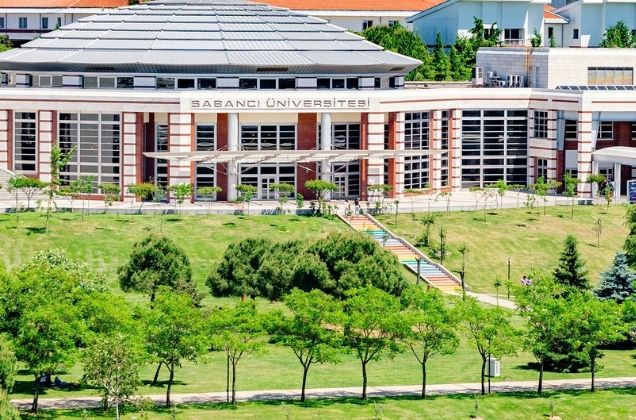
Sabancı University has taken a significant step towards aligning its carbon and water management practices with international standards as part of its sustainability efforts. As a result of studies conducted to develop data management, impact measurement, and control mechanisms, audits carried out by the independent verification organization Bureau Veritas were successfully completed.
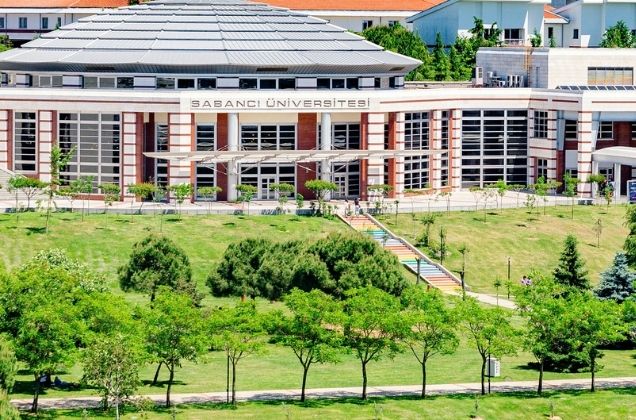
The ISO 14064-1 Corporate Carbon Footprint and ISO 14046 Corporate Water Footprint Field Verification Audits, covering consumption data for the 2024–2025 academic year, demonstrated the university's capacity to measure and manage its environmental impacts in accordance with international standards. This process strengthened Sabancı University's goal of monitoring and improving its sustainability performance with a data-driven approach.
Contributing to International Rankings
The completion of these audits also makes a significant contribution to environmental sustainability assessment processes in international rankings. It documents Sabancı University's commitment to reducing its environmental impacts and its leadership in the field of sustainability according to international standards.
“It Strengthened Our Data-Driven Decision-Making Processes”
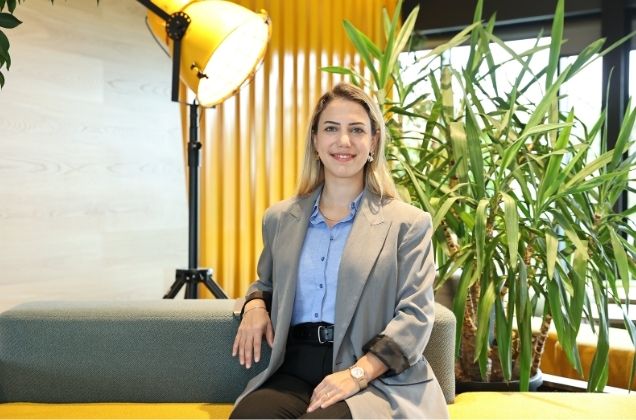
Sabancı University Sustainability Manager Pelin Karaçal stated the following regarding the matter: “The successful completion of the field verification audits we conducted within the scope of ISO 14064-1 Corporate Carbon Footprint and ISO 14046 Corporate Water Footprint is one of the important steps our university has taken in line with its sustainability goals. This process not only measured our current impacts but also contributed to strengthening our data-driven decision-making mechanisms and supporting our continuous improvement approach. As a university, we prioritize managing our environmental impacts in a transparent, measurable, and internationally compliant manner. The successful completion of the ISO 14064-1 and ISO 14046 verification processes is an important indicator of our commitment in this area. Thanks to this process, we can monitor our carbon and water footprints more effectively, clearly identify areas for improvement, and build our sustainability journey on a more robust data infrastructure.”


