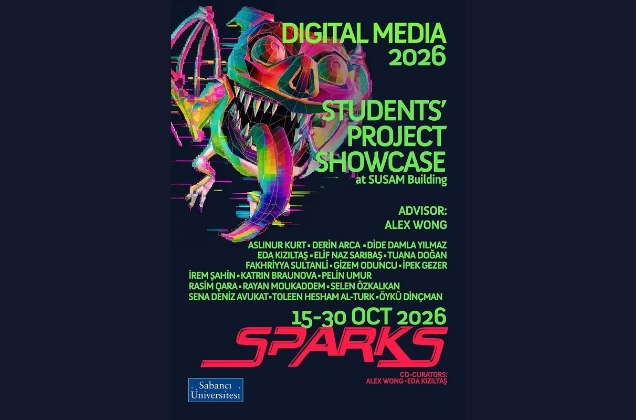
15/10/2026
Digital literacy and critical pedagogy are essential to contemporary art and design education, where digital media and artificial intelligence (AI) increasingly shape creative practices. Digital literacy extends beyond technical proficiency to include the critical evaluation of information, visual culture, computational systems, and the ethical and social implications of technology.
Informed by Paulo Freire’s critical pedagogy, this approach encourages students to question how digital technologies influence cultural representation, knowledge production, and power relations. Rather than treating software and AI as neutral tools, students are encouraged to examine their limitations, biases, and effects on artistic expression.
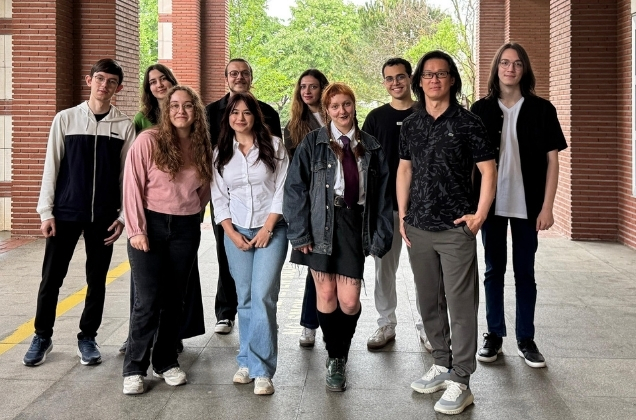
Within the Visual Arts and Visual Communication Design (VAVCD) program, courses such as 3D Modeling, 3D Animation, Digital Video, Motion Graphics, and Digital Art provide opportunities to explore digital and AI-assisted methods through experimentation, project-based learning, and reflective practice. Students critically evaluate technological outputs in relation to artistic intention, authorship, originality, copyright, and cultural context.
This pedagogical framework also addresses the environmental consequences of digital production and the influence of online platforms and algorithms on the circulation of creative work. By integrating technical skills with theoretical knowledge, ethical awareness, and critical reflection, SPARKS 2026 promotes an educational approach that prepares students to use emerging technologies responsibly while maintaining their creative autonomy and intellectual independence.